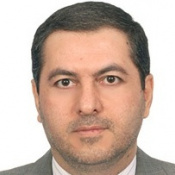
سید حسین میرجلیلی

سید حسین میرجلیلی

مدرک تحصیلی: دکتری علوم اقتصادی، دانشگاه امام صادق، تهران، ایران
رتبه علمی: استاد اقتصاد پژوهشگاه علوم انسانی و مطالعات فرهنگی
پست الکترونیکی: seyedhossein.mirjalili@gmail.com
وب‌سایت شخصی: http://hosein.mirjalili.com
لینک رزومه

مطالب
ترتیب بر اساس: جدیدترینپربازدیدترین

فیلترهای جستجو: فیلتری انتخاب نشده است.
نمایش ۲۲۱ تا ۲۳۵ مورد از کل ۲۳۵ مورد.
۲۲۱.

The Impact of Macroeconomic Variables on Iran’s Trade with Economic Cooperation Organization Countries: An Extended Gravity Model

منبع: Global Business Review, First published online May 27, 2026
تعداد بازدید : ۱۵
This article aims to examine the effects of macroeconomic variables on Iran’s bilateral trade with member countries of the Economic Cooperation Organization (ECO) over the period 2007–2023, utilizing an extended gravity model. In the context of evolving global trade dynamics and escalating international sanctions, the research seeks to assess the influence of key factors—including GDP, inflation differentials, exchange rate volatility, digital trade and financial sanctions—on Iran–ECO trade flows. Using panel data and a fixed-effects regression approach, the model incorporates both traditional gravity variables (economic size, distance) and contemporary trade determinants (internet penetration, sanctions). The results indicate that GDP growth and improvements in digital infrastructure significantly promote trade, whereas inflation disparities and exchange rate instability hinder it. Interestingly, financial sanctions exhibit a positive impact, suggesting a reorientation of Iran’s trade towards ECO countries. The findings imply that deeper regional integration, expanded digital trade capacity and the use of alternative trade mechanisms can help buffer external shocks and strengthen trade resilience. full text: https://journals.sagepub.com/doi/abs/10.1177/09721509261447173
۲۲۲.

Macroprudential Policy and the Risk Exposure of Commercial Banks(مقاله علمی وزارت علوم)

منبع: Iranian Journal of Accounting, Auditing & Finance, Vol. 10, No. 3, Serial 36, Summer 2026
تعداد بازدید : ۲۱ تعداد دانلود : ۱۳
This paper evaluates the effectiveness of macroprudential policy in reducing commercial banks' risk exposure in Iran. In this study, an empirical model is developed using dynamic panel data techniques and the generalized method of moments (GMM) estimator to examine the impact of macroprudential policy on the risk-taking behavior of Iranian banks during the period 2010-2024. The analysis evaluates the potential effects of four macroprudential instruments aligned with policy objectives: the loan-to-income ratio (LTI), the loan-to-deposit ratio (LTD), the leverage ratio (LVR), and liquidity requirements (LIQ). As a result of stronger macroprudential oversight, commercial banks are significantly less likely to take on risk. In the context of financial sanctions and Iran’s unique economic environment, macroprudential tools remain highly effective in mitigating banking risks. As such, LTD instruments have a time lag, whereas LVR instruments have an immediate impact on risk. Additionally, no single instrument is more effective than the composite macroprudential index at reducing risk-taking. A more secure, less vulnerable banking system in Iran is possible through macroprudential policies, as the results show.
۲۳۰.

بررسی متون درسی نظام های اقتصادی و اقتصاد تطبیقی(مقاله علمی وزارت علوم)

منبع: فصلنامه پژوهش و نگارش کتب دانشگاهی.شماره 40 1396
تعداد بازدید : ۱۷۸۴ تعداد دانلود : ۷۰۹
متون درسی نظام‌های اقتصادی در ایران به مقایسۀ نظام‌های اقتصادی سرمایه‌داری، سوسیالیسم و اسلام می‌پردازد. با فروپاشی سوسیالیسم در بلوک شرق، متون درسی نظام‌های اقتصادی به طور جدی تغییر یافت و اقتصاد تطبیقی جایگزین نظام‌های اقتصادی و مطالعۀ ساختارها و نهادها جایگزین مطالعۀ نظام‌ها شد. نظام‌های اقتصادی مبتنی بر نظریۀ سیستم‌ها و اقتصاد تطبیقی مبتنی بر نهادگرایی است. اقتصاد تطبیقی بررسی می‌کند که چگونه نهادهای اجتماعی، سیاسی و حقوقی رفتار اقتصادی را شکل می‌دهند و بر عملکرد اقتصادی اثر می‌گذارند. ضرورت تدوین کتب دانشگاهی در زمینۀ اقتصاد تطبیقی به‌دلیل نیاز به مقایسۀ ساختار اقتصادهاست که به صورت مقایسۀ نهادها، عملکرد توسعۀ کشورها و ساختارهای اقتصادی صورت می‌گیرد.
۲۳۳.

بررسی تاثیر بانکداری سایه در اثربخشی سیاست پولی؛ شواهدی از برخی کشورهای G20(مقاله علمی وزارت علوم)

منبع: پژوهش های پولی - بانکی، سال 13، شماره 46، زمستان 1399، صص733-765
تعداد بازدید : ۶۸۳ تعداد دانلود : ۶۶۷
رشد سریع فعالیت بانک‌های سایه یکی از دلایل وقوع بحران مالی جهانی ۲۰۰۷-۲۰۰۹ قلمداد شده است. مطابق با مبانی نظری، ‌به‌نظر می‌رسد یکی از تبعات منفی گسترش بانکداری سایه کاهش اثربخشی سیاست پولی است. با افزایش حجم فعالیت بانکداری سایه، کانال وام‌دهی انتقال سیاست پولی تضعیف می‌شود، زیرا گسترش بانکداری سایه باعث می‌شود کاهش اعتباردهی بانک‌های سنتی (در سیاست پولی انقباضی)، ‌به‌وسیلهٔ اعتباردهی بانک‌های سایه جبران شود. این مقاله با استفاده از داده‌های ۱۶ کشور عضو گروه بیست (G20) طی سال‌های ۲۰۱۸-۲۰۰۲ به بررسی تاثیر بانکداری سایه در اثربخشی سیاست پولی پرداخته است. بدین‌منظور، دو مدل تصریح و و با دو روش GMM و رگرسیون کوانتایل تخمین زده شد. نتایج حاصل از هر دو مدل فرضیهٔ پژوهش را تأیید می‌کند و نشان می‌دهد افزایش بانکداری سایه اثربخشی سیاست پولی را کاهش می‌دهد. براساس نتایج حاصل از روش GMM، در مدل اول، علامت ضریب نرخ رشد پول مثبت و علامت ضریب متغیر تقاطعی منفی است. این موضوع نشان می‌دهد بانکداری سایه اثربخشی سیاست پولی در GDP را کاهش می‌دهد. همچنین، نتایج روش کوانتایل در هر دو مدل نشان می‌دهد که با حرکت از یک اقتصاد مبتنی بر بانکداری سنتی ‌به‌ سمت اقتصاد مبتنی بر بانکداری سایه، اثرگذاری سیاست پولی کاهش می‌یابد.

پالایش نتایج جستجو

تعداد نتایج در یک صفحه:

درجه علمی

مجله

سال

حوزه تخصصی

زبان